Biochar carbon removal / Sweden / since 2009
Carbon removed for good.
ECOERA turns the residues of seed production into biochar and returns the carbon to the soil, where it stays. Certified, measured and traceable removal for organisations that want to do more than cut emissions.
Track record and verification
- Track record2009
Our first biochar field application and carbon removal certificate, in West Sweden.
- Credits retired1,530
Removal credits issued on Puro.earth for removals from 2019 to 2024, all since retired.
- Removal standardRainbow
Certified under the Rainbow Standard at the 100-year permanence tier.View the project
- Measured stability0.186–0.195
H/Corg ratios of our 2024 and 2025 batches, as verified under the Rainbow Standard. The limit for certified biochar is 0.7.
What we do
Plants already capture carbon.We make it stay captured.
01 / Process
From the sky to the soil in four steps
Plants already do the hard part of capturing CO₂. Our job is to make sure the carbon does not go back up.
Crops capture the carbon
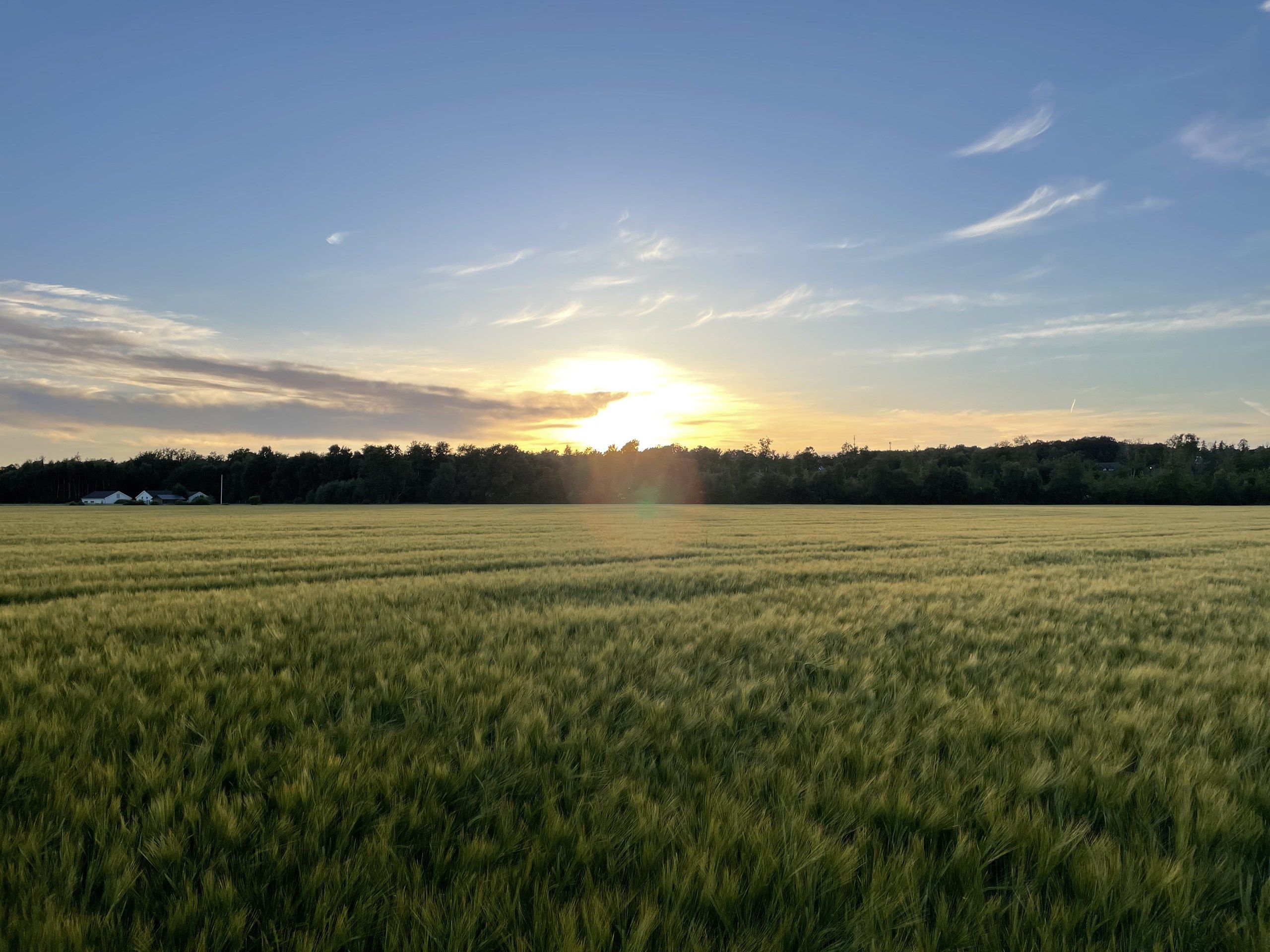
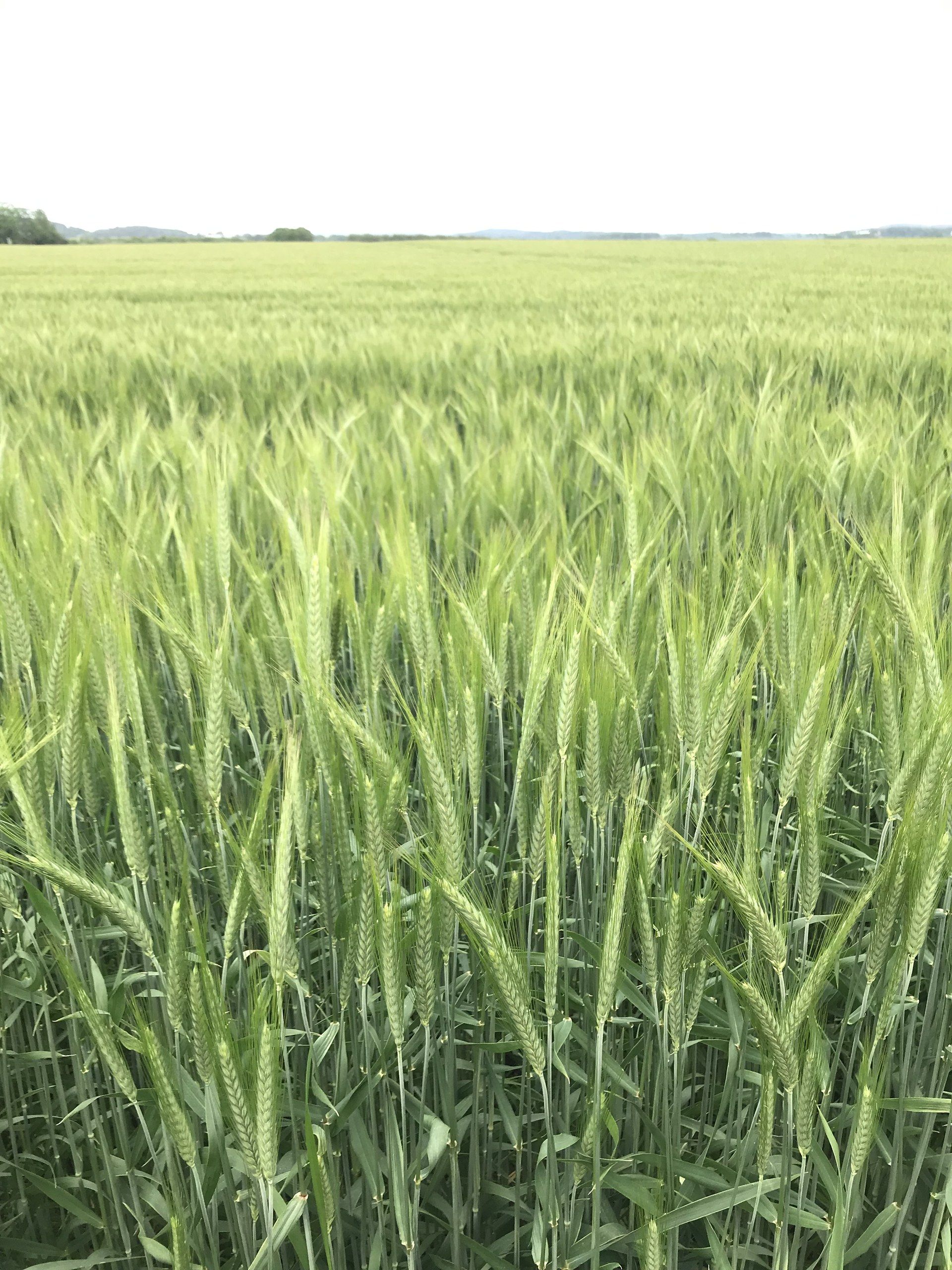
Every growing season, crops pull carbon dioxide out of the air and build it into stems, husks and seed. Sunlight does the work; no machine comes close at this scale.
- In
- CO₂ + sunlight
- Out
- Biomass
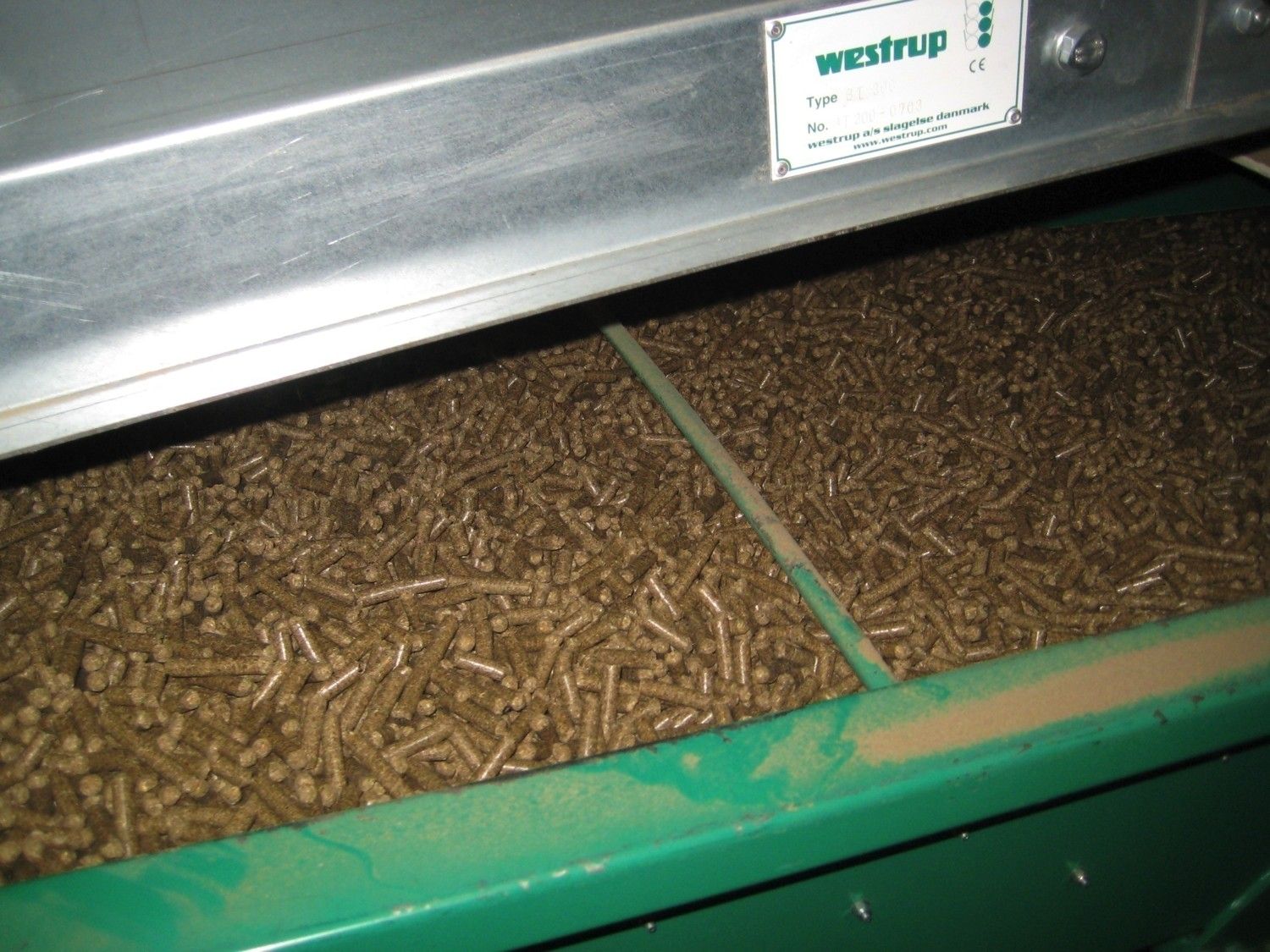
Residues become pellets
When Skånefrö cleans its seed, the screenings are left over. They are pressed into pellets, so the feedstock is uniform and traceable to its source.
- In
- Seed screenings
- Out
- Pellets
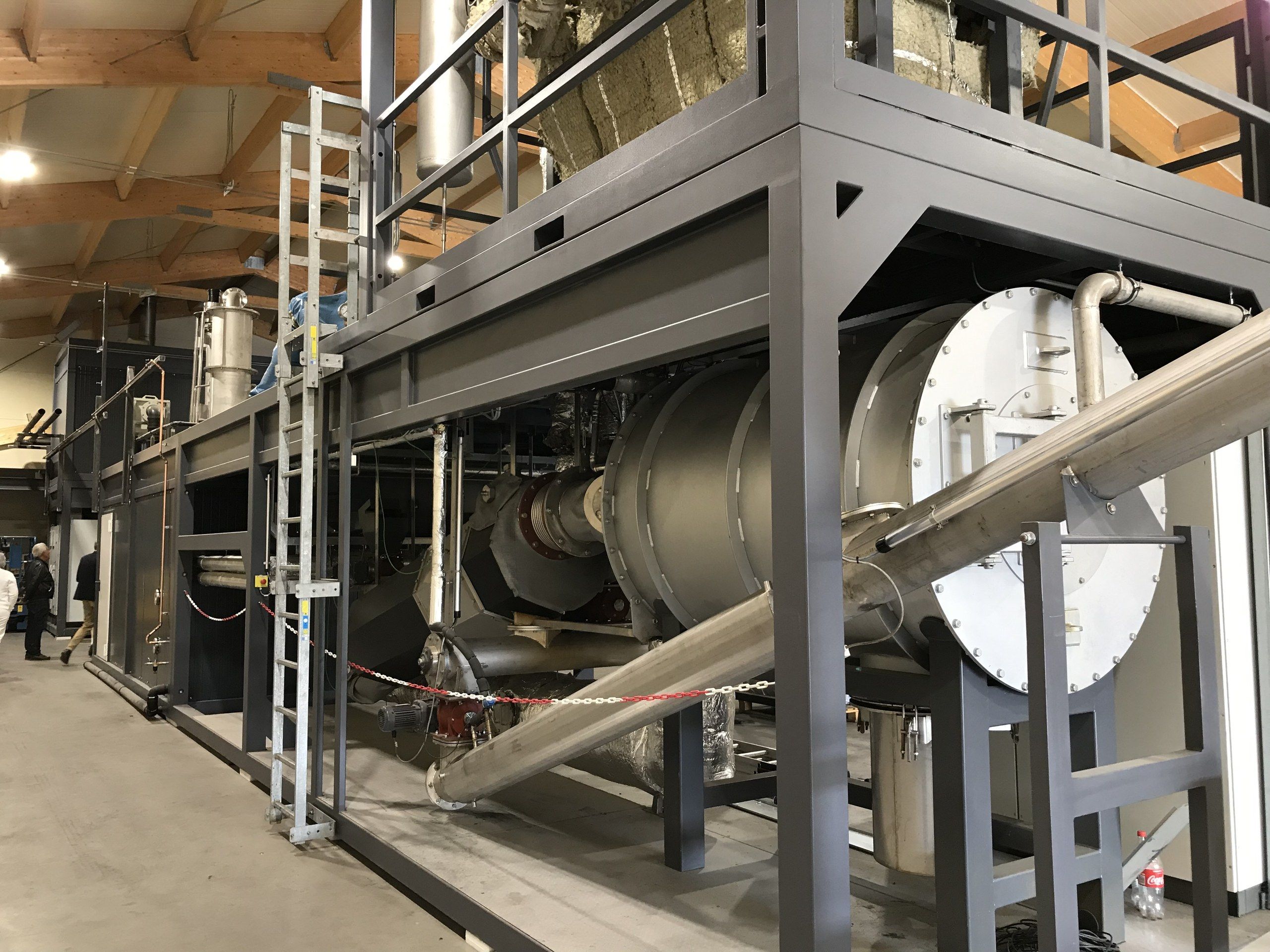
Pyrolysis locks it in
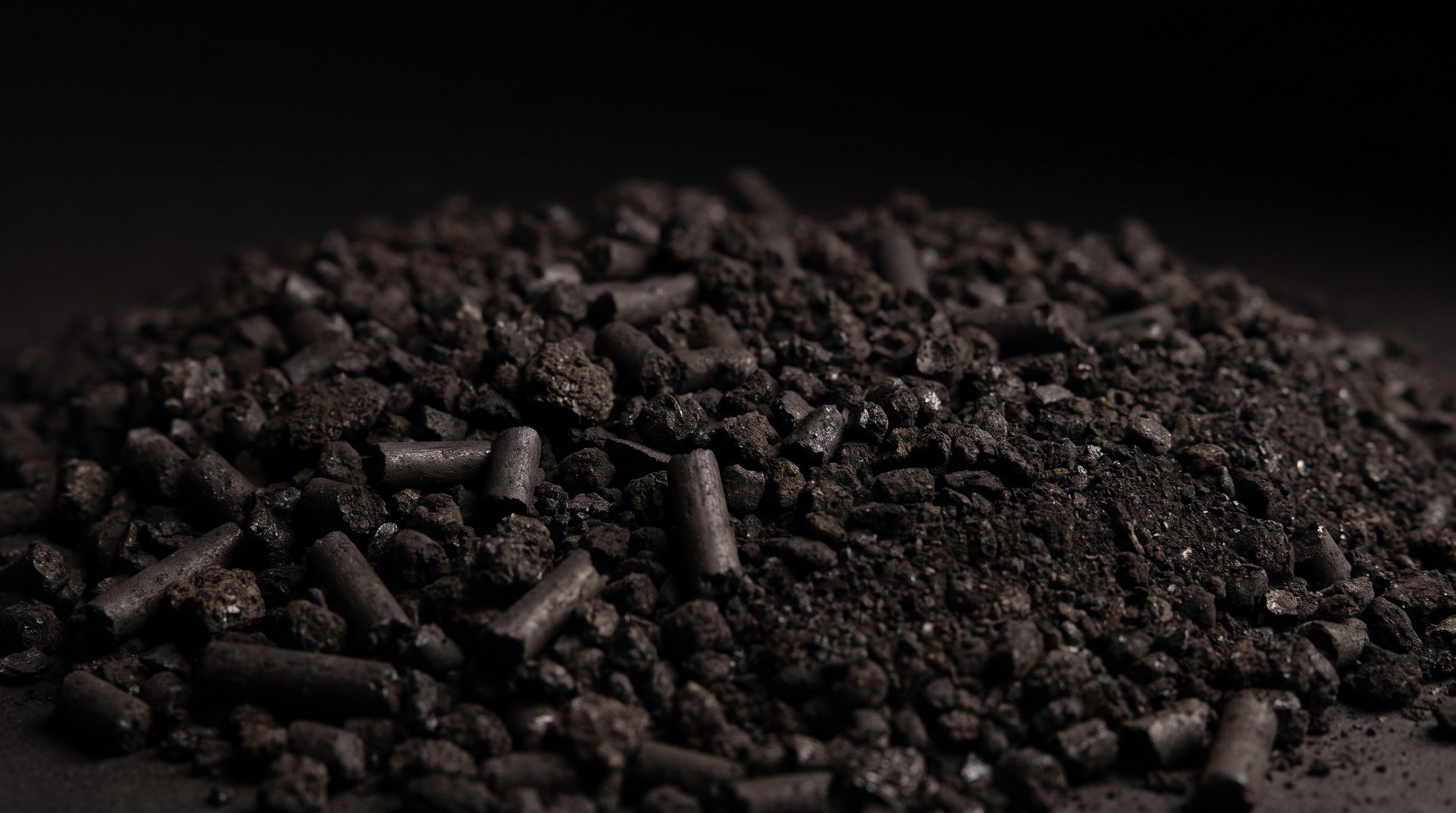
Heated to about 500 °C with almost no oxygen for about 100 minutes, the pellets become biochar: a stable, carbon-rich solid. The process gas is burned, and part of its heat goes into the local district heating network.
- In
- Pellets
- Out
- Biochar + district heat
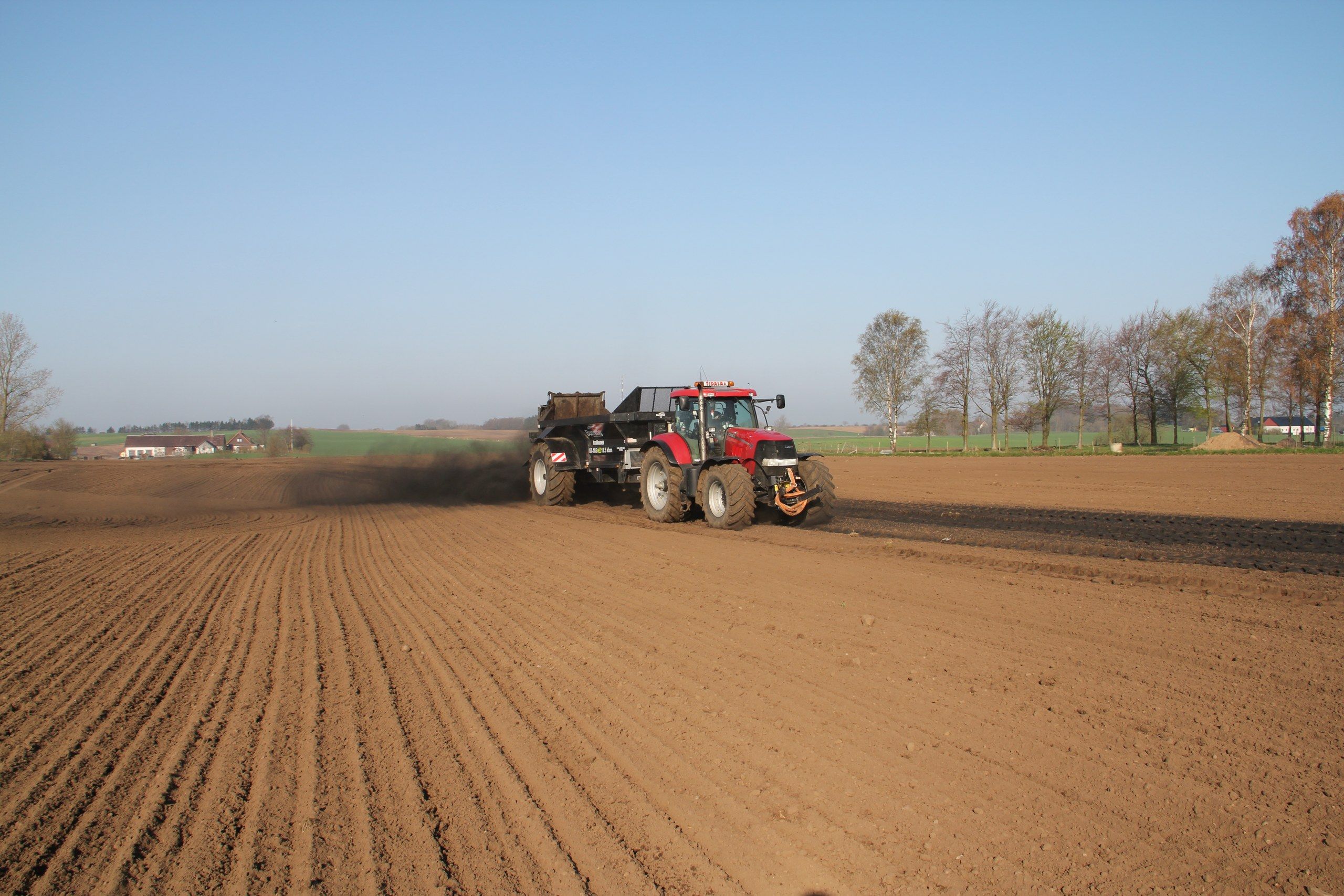
Soil keeps it
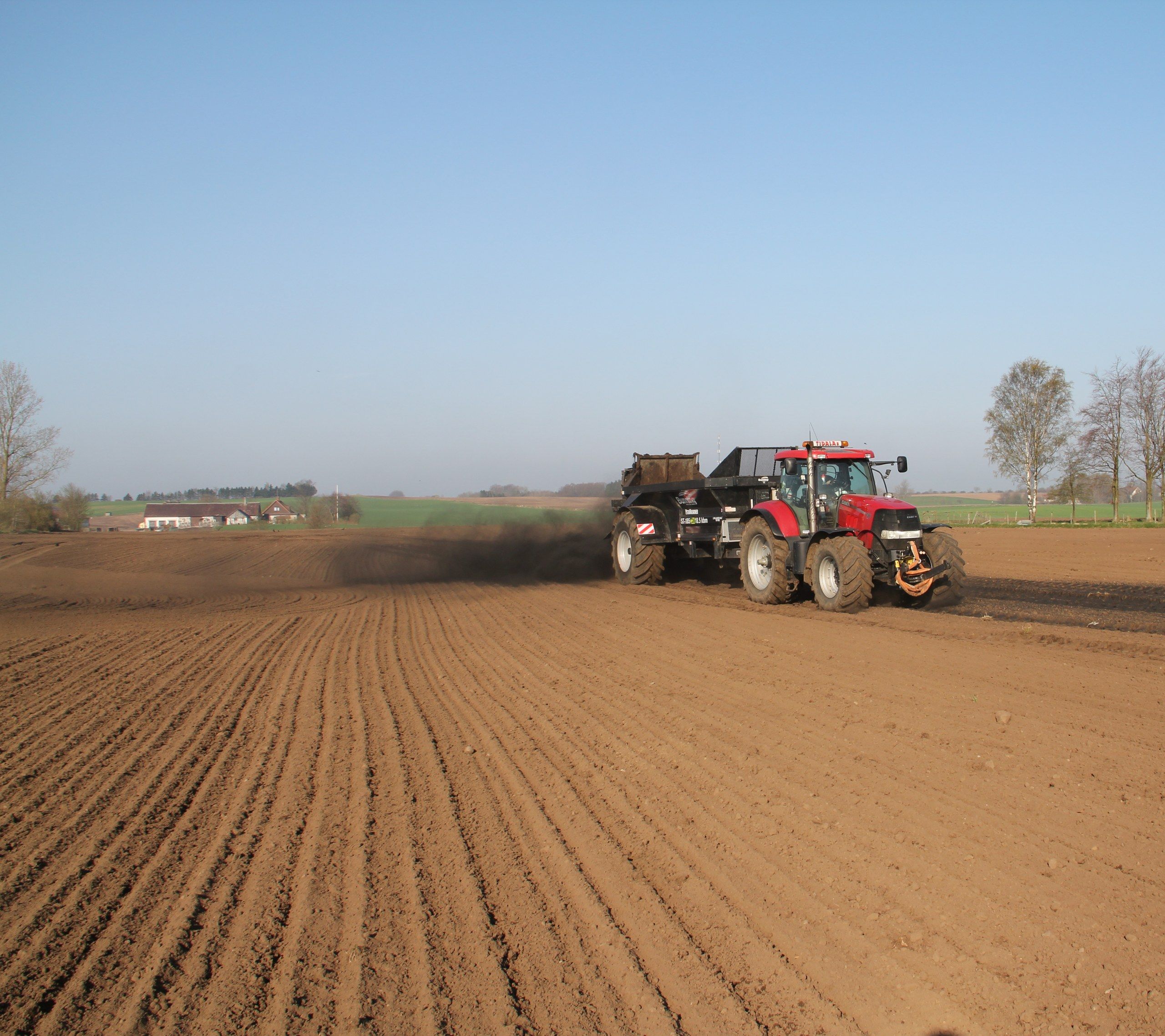
The biochar goes into soil: farmland, green spaces, football pitches and building foundations. The carbon stays there, and in farmland the biochar can help soil hold water and nutrients.
- In
- Biochar
- Out
- Carbon stored in soil
02 / Evidence
A removal you can explain to an auditor
It lasts
Our 2024 and 2025 batches measured hydrogen-to-carbon ratios of 0.186 and 0.195, far below the 0.7 limit for certified biochar. A direct inertinite measurement is planned.
It is measured
Each production batch behind our removals is analysed by Eurofins, and every removal is issued under the Rainbow Standard, where anyone can look it up.
It does a second job
In farmland, biochar can help soil hold water and nutrients. In the plant, part of the heat from pyrolysis goes into district heating.
Watch the film on permanence (about 4 minutes)
Measured values against their limits
Molar ratio of hydrogen to organic carbon. Lower means more stable carbon; the limit for certified biochar is 0.7. The 2024 batch measured 0.186.
SourcesRainbow verification, based on Eurofins batch analyses
03 / Asset
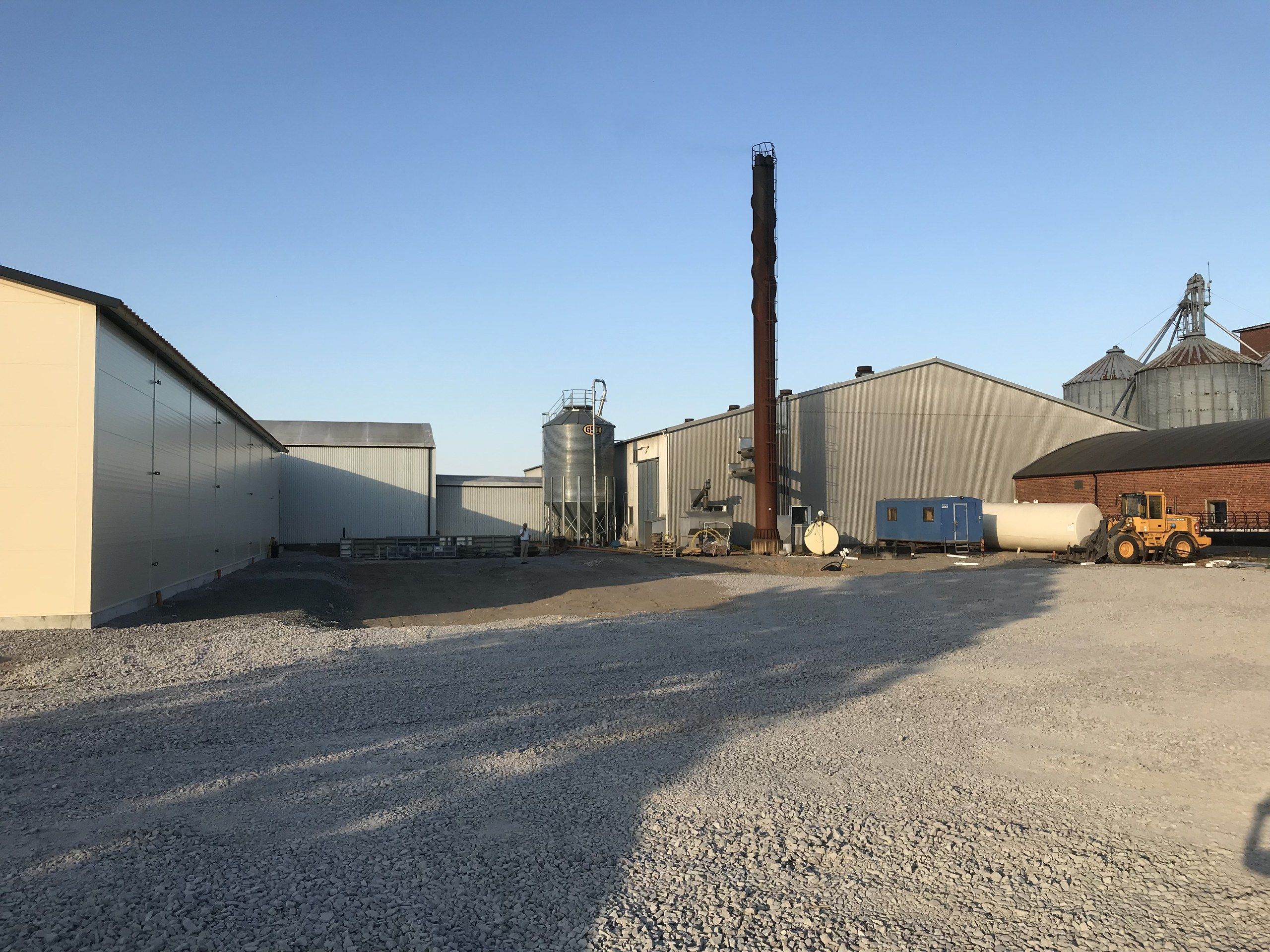
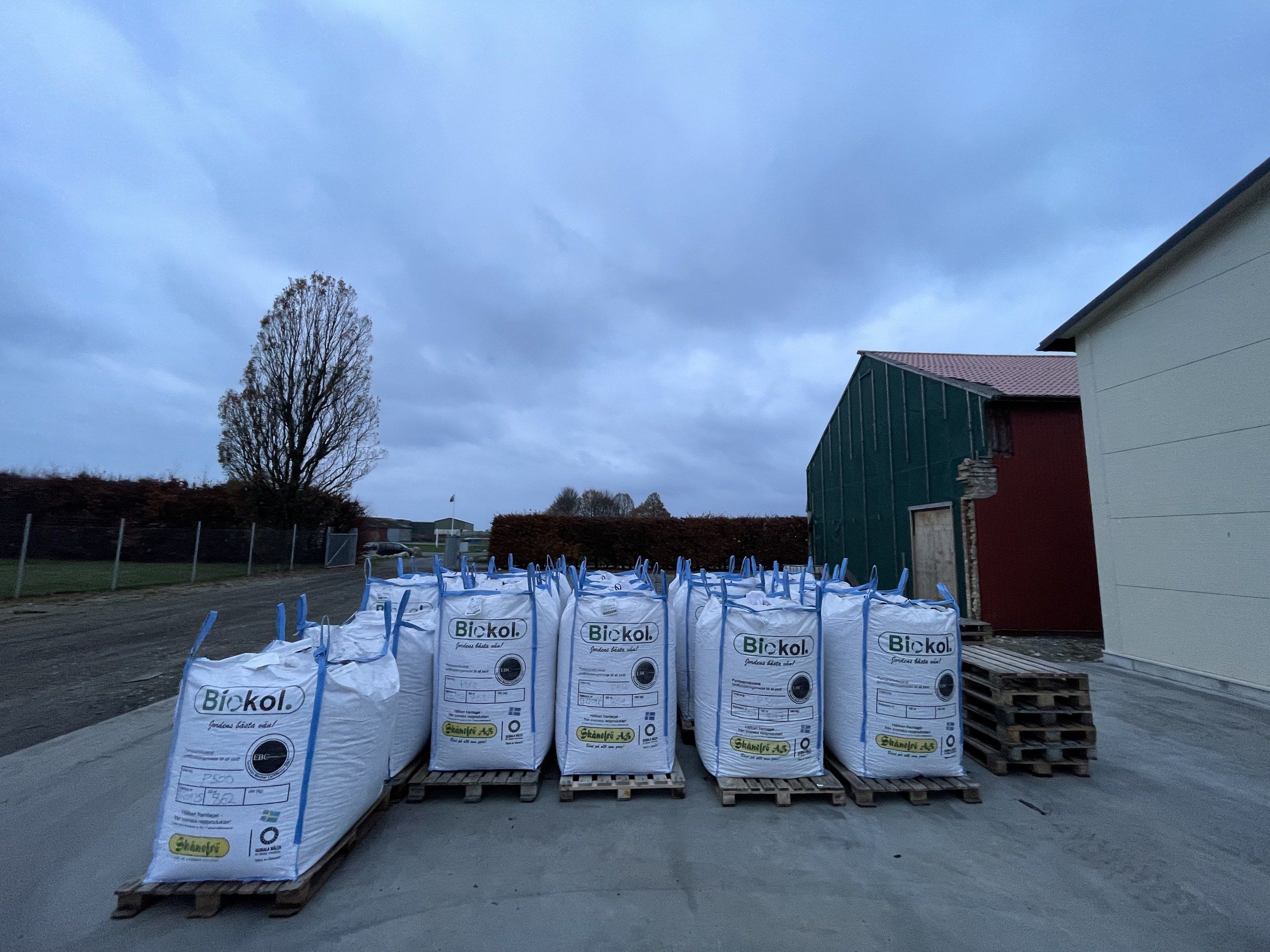
An industrial biochar plant, running since 2018
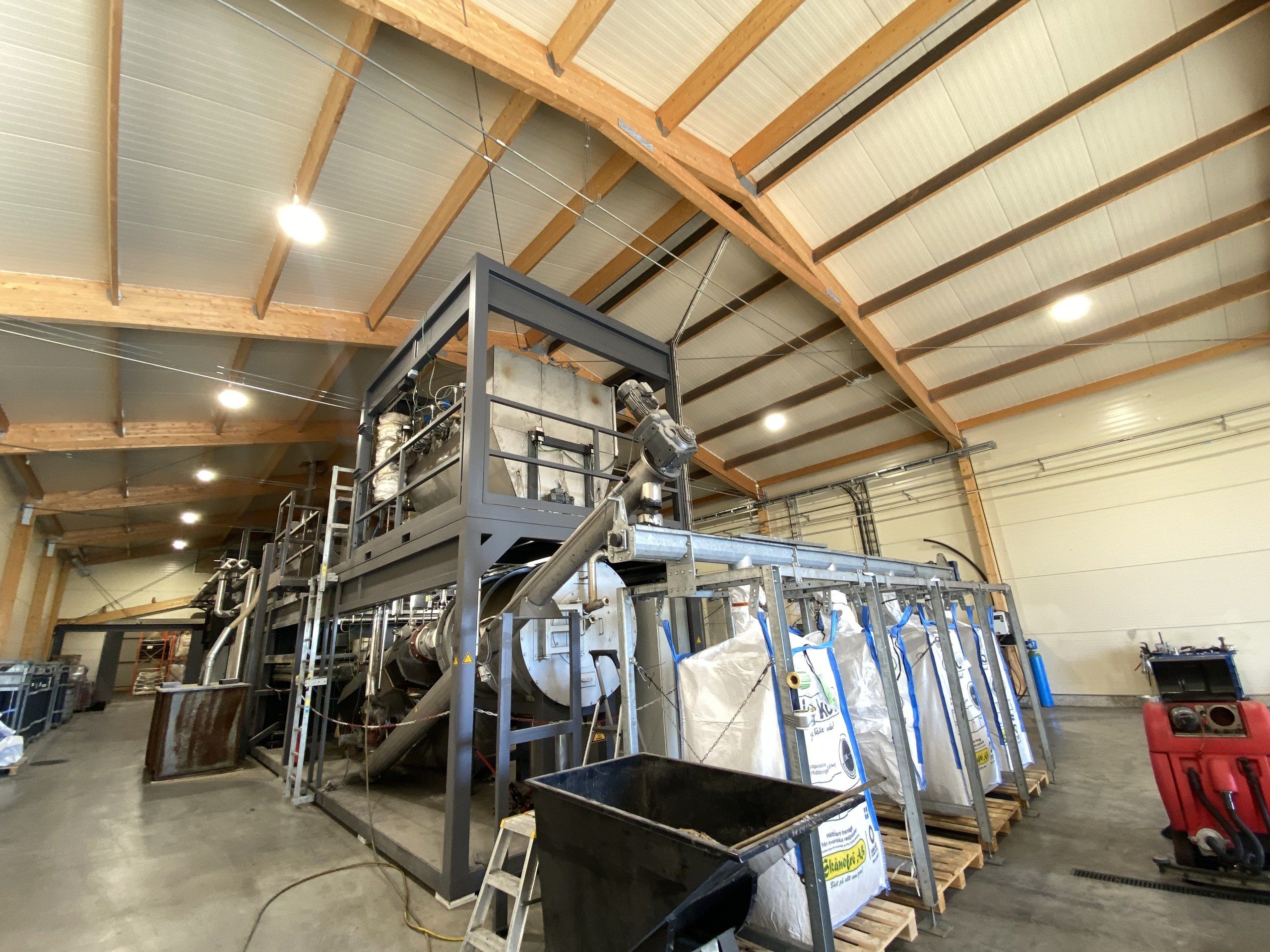
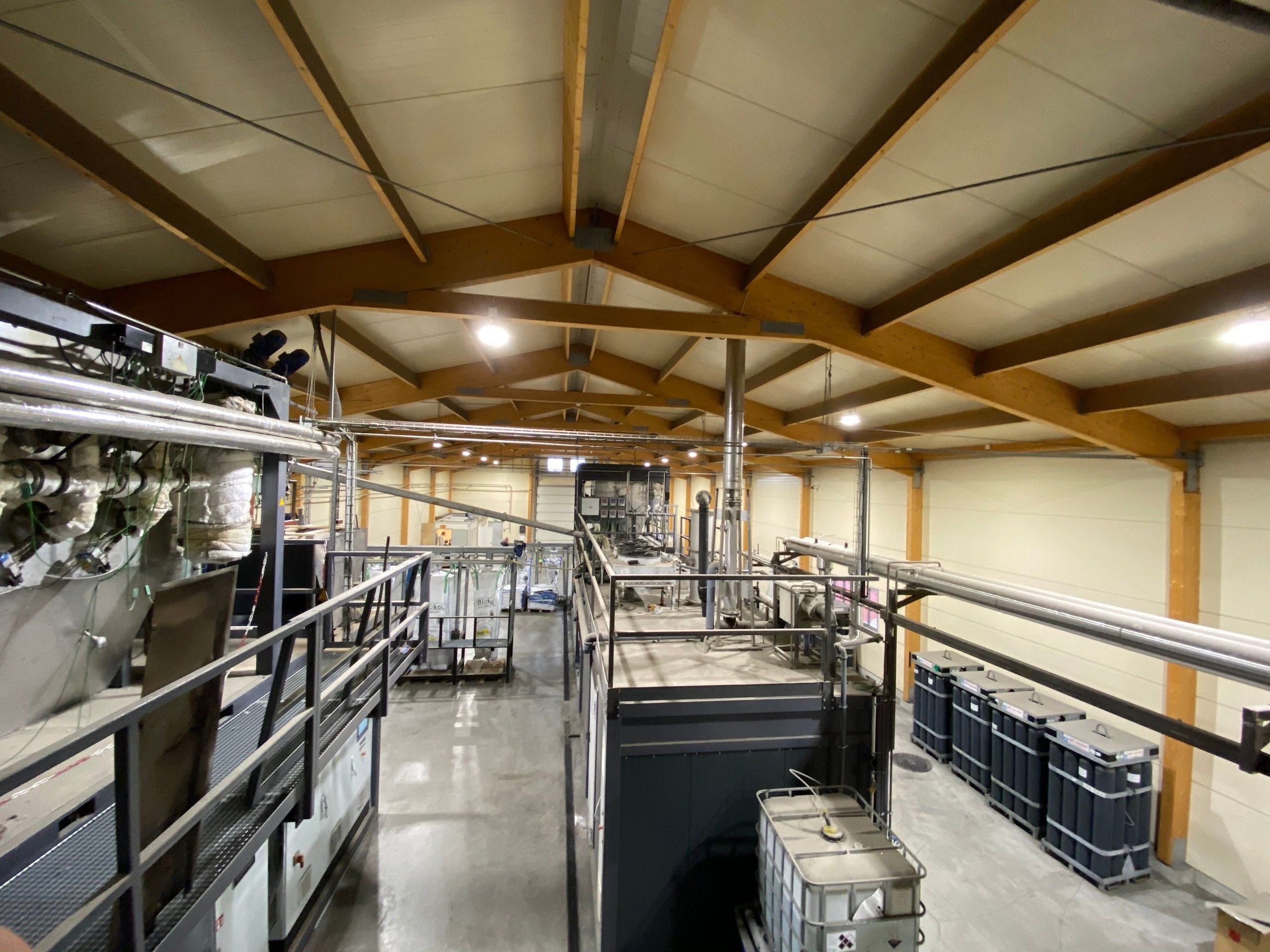
ECOERA Millennium 1 stands at Skånefrö’s site in Hammenhög, southern Sweden. It has two PYREG reactors. Pellets go in; biochar and heat come out.
- Location
- Hammenhög, Skåne, Sweden
- Technology
- PYREG P500 and P1500 continuous pyrolysis reactors
- Operator
- Bioagro Energy Österlen AB, part of the Skånefrö group
- Process
- About 500 °C, about 100 minutes in the reactor
- Outputs
- Biochar, plus heat, partly for district heating
04 / Procurement
Buying removals is a short process
Put carbon back in the ground.
Tell us how many tonnes you need and when. We reply with availability, price and the verification documents.